
Understanding Residential Growth in Hervey Bay
Hervey Bay continues to experience steady residential growth as more people choose the region for its coastal lifestyle, retirement opportunities, employment, and comparatively affordable housing. Population growth has increased demand for new homes, supporting infrastructure, community facilities, and services across the Fraser Coast. As this demand evolves, town planning decisions play an increasingly important role in managing where and how future development occurs.
Town planning seeks to balance population growth with environmental protection, infrastructure capacity, transport planning, and community expectations. Rather than allowing unrestricted development, planning controls help determine appropriate land uses, residential densities, building heights, and the protection of environmentally significant areas.
For property owners, developers, investors, and residents, understanding changes to planning policy and residential zoning provides valuable insight into how Hervey Bay may continue to evolve over the coming years.
Why Zoning Changes Matter
Zoning determines how land can be used. Local planning schemes establish zones that identify whether land is intended for residential, commercial, industrial, rural, environmental, or mixed uses. Within residential areas, zoning may also influence housing density, minimum lot sizes, building setbacks, and the types of dwellings that may be constructed.
As communities grow, councils periodically review planning schemes to ensure land supply can accommodate future housing demand while maintaining liveability and protecting important natural assets.
Zoning reviews are not simply about increasing development opportunities. They also consider infrastructure capacity, transport networks, drainage, flood risk, bushfire hazards, coastal management, environmental conservation, and access to schools, healthcare, and community facilities.
Changes to zoning can affect landowners by altering future development potential, while also influencing neighbourhood character and long-term property investment decisions.
Population Growth Continues to Shape Planning
Hervey Bay has experienced consistent population growth for many years. This growth comes from both natural population increases and interstate migration, with many new residents attracted by the region’s climate, lifestyle, and improving services.
Planning authorities use population forecasts when assessing future housing requirements. As populations increase, additional residential land may eventually be required to accommodate future households.
Rather than allowing urban expansion without planning, councils generally seek to encourage orderly development that aligns with available infrastructure such as roads, water supply, sewerage, parks, and public facilities.
This measured approach helps reduce pressure on existing neighbourhoods while supporting sustainable long-term growth across the region.
Increased Focus on Housing Diversity
Modern planning increasingly recognises that communities require a broader range of housing options than detached family homes alone.
An ageing population, smaller household sizes, first-home buyers, and changing lifestyle preferences all contribute to demand for different housing types.
Planning policies may support an appropriate mix of housing forms where suitable, including townhouses, duplexes, secondary dwellings, apartments in designated locations, and smaller residential lots where infrastructure can support higher densities.
Providing greater housing diversity can improve affordability while allowing residents to remain within their local communities as their housing needs change over time.
The location of higher-density housing remains an important planning consideration, with greater density generally directed towards areas that can support increased population through existing services and infrastructure.
Infrastructure Planning Supports Residential Expansion
Residential growth requires significant supporting infrastructure.
Road networks, stormwater systems, water supply, sewerage, parks, sporting facilities, schools, emergency services, healthcare facilities, and public transport all require careful planning as communities expand.
Planning authorities work alongside infrastructure providers to identify future service requirements before significant residential growth occurs.
Infrastructure planning helps ensure that new housing areas are supported by essential services rather than placing excessive pressure on existing facilities.
Coordinating infrastructure delivery with residential development remains a fundamental objective of modern urban planning.
Environmental Considerations Remain Important
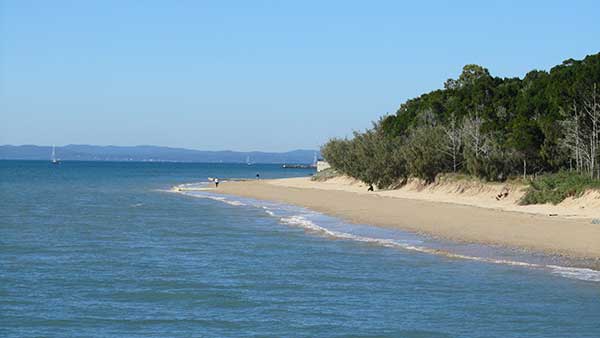
Hervey Bay contains environmentally significant coastal areas, wetlands, waterways, vegetation, and habitats that require ongoing protection.
Town planning must carefully balance residential growth with environmental conservation.
Planning controls commonly consider matters such as coastal hazards, flooding, erosion, biodiversity, vegetation protection, water quality, and natural drainage systems.
Environmental assessments help determine whether development is appropriate in certain locations and what measures may be necessary to reduce environmental impacts.
Protecting natural assets supports both environmental sustainability and the lifestyle qualities that attract residents to Hervey Bay.
Managing Flood and Coastal Hazards
Queensland planning legislation requires natural hazard risks to be considered when assessing future development.
Parts of Hervey Bay may be affected by flooding, storm tide inundation, coastal processes, or drainage constraints.
Planning policies often include specific requirements for development within identified hazard areas. These requirements may influence building design, floor heights, stormwater management, and site planning.
Considering hazard information during planning helps improve community resilience while reducing future risks to property and infrastructure.
As improved mapping and technical information become available over time, planning controls may also be updated to reflect current understanding of local conditions.
Community Consultation Plays an Important Role
Planning scheme amendments and significant planning policy changes generally involve public consultation processes.
Community members have opportunities to review proposed changes, provide submissions, and participate in consultation where required under Queensland planning legislation.
Public feedback helps councils understand community concerns, identify local issues, and consider how planning policies may affect residents, businesses, and landowners.
Consultation does not necessarily determine the final outcome, but it forms an important part of transparent planning processes.
Residents who remain informed about planning reviews are better positioned to understand how future policy changes may influence their neighbourhoods.
Looking Ahead for Hervey Bay
Residential growth is expected to remain an ongoing consideration for Hervey Bay as the Fraser Coast continues to attract new residents.
Future planning decisions are likely to focus on balancing housing supply with infrastructure capacity, environmental protection, natural hazard management, and community wellbeing.
While zoning changes can create new development opportunities in appropriate locations, planning authorities must also preserve the characteristics that make Hervey Bay an attractive place to live.
For property owners and prospective buyers, understanding the broader direction of town planning can provide valuable context when making long-term property decisions. As planning policies continue to evolve, orderly growth, sustainable development, and responsible land use will remain central principles guiding the future of residential development throughout Hervey Bay.